


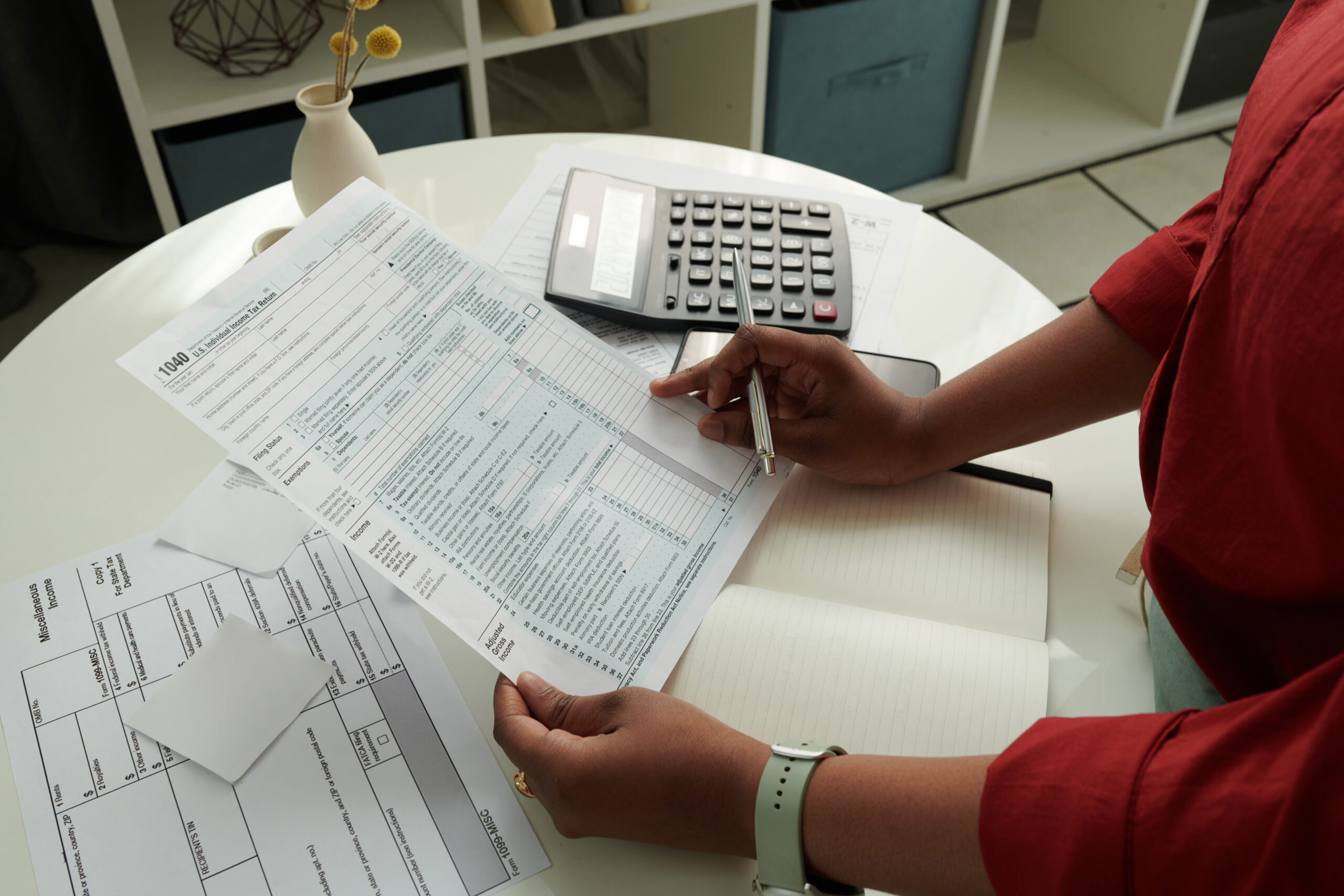

Payroll errors occur more frequently than one might think. A duplicate bonus, incorrectly calculated overtime, or a computer glitch can result in an employee being paid more than they are owed. The question arises immediately afterward: Can the company recover that money by deducting it from the next paycheck?
Overpaying does not mean the company can automatically deduct that amount from the next paycheck.
The Most Common Errors
Although each case has its own particularities, overpayments usually result from common issues.
Among them are:
- errors in calculating overtime;
- double payments of incentives, per diems, or supplements;
- employee terminations reported after the deadline;
- incorrect updates to pay scales;
- incorrect calculation of vacation pays or special payments;
- issues with payroll software;
- incorrect application of the collective bargaining agreement.
In most cases, the error is not the result of intentional action but rather simple administrative glitches.
- Note: The sooner the error is detected, the easier it is to correct.
When Can an Amount Be Deducted Directly from Pay?
The company has the right to recover amounts paid in error. However, this does not mean it can always do so through a unilateral deduction. The key is determining whether the debt meets a series of requirements.
The deduction may be made when the amount is clearly identifiable, precisely determined, due and payable, and, above all, there is no dispute regarding its existence. In other words, both parties must agree that overpayment occurred.
- Note: If the employee disputes the origin or amount of the debt, the company should not make the deduction unilaterally.
The Supreme Court Clarifies When This Is Possible
This very issue has been analyzed by the Supreme Court (Supreme Court Ruling No. 449/2025, dated May 21). The case stemmed from a company that, as a result of an error in its payroll system, paid certain employees more than they were entitled to following a subrogation process. When it detected the error, the company informed the workforce that the amounts would recover gradually, spreading the deductions over ten monthly installments. The employees’ representatives challenged the measure, arguing that the company needed a prior court ruling to make those deductions.
However, both the National Court and, subsequently, the Supreme Court ruled that the company’s actions were proper because no one disputed that the payment had been improper or the exact amount that was to be repaid.
The debt was clear, liquid, due, and enforceable; therefore, the adjustment could be made directly through payroll deductions.
What if the employee disagrees?
The situation changes completely. Let’s now suppose that the employee believes he or she was entitled to that bonus because he or she believes they met the established goals or because they disagree with the company’s interpretation. At that point, a dispute has arisen. The debt is no longer undisputed, and the company should not unilaterally deduct those amounts from the paycheck. The proper course of action would be to seek reimbursement through the appropriate legal channels so that a judge can determine whether the employee is entitled to a refund.
- Please note: If there is any dispute regarding the debt, the unilateral discount may be declared invalid.
For more information, consult an employment law advisor.
If you find this interesting, please share it on social media—thank you!


